Every revolution
in death was once
called madness.
Cremation was illegal, immoral, and insane — until it wasn't. This is that story. And it's happening again, right now, with digital legacy.
The man they called a madman
It started with a surgeon, a pamphlet, and a society that wasn't ready to listen.
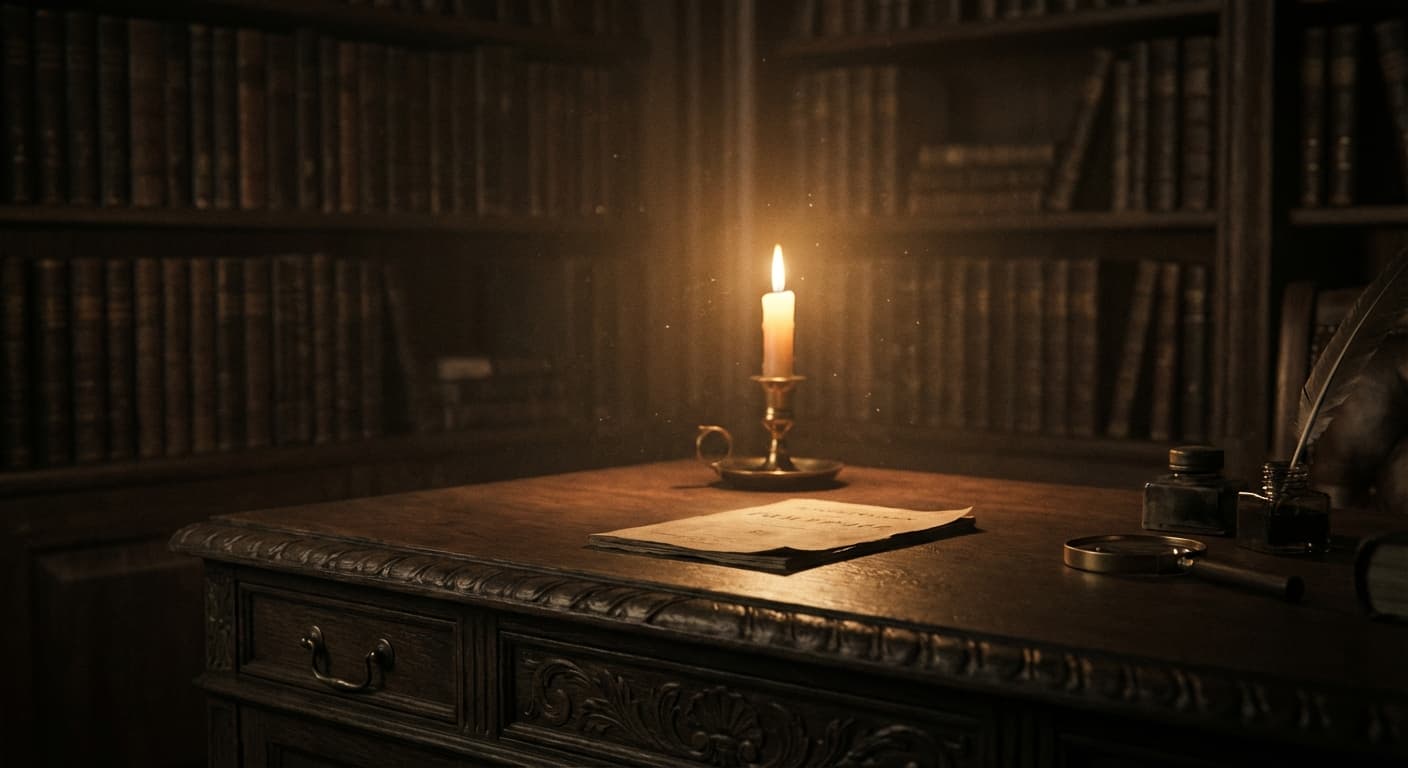
Sir Henry Thompson publishes a pamphlet that starts a war
“Cremation: The Treatment of the Body After Death.”CREMATION: The Treatment of the Body After Death"It is becoming a necessary of social life to find some means for the safe and rapid disposal of the dead.""The practice of cremation is not only permitted by the laws of nature, but is in accordance with the principles of science and sanitation." That's all it took. A respected surgeon — personal physician to Queen Victoria — argues that burning the dead is more hygienic, more dignified, and more practical than burial.
The Church calls him sacrilegious. The press calls him dangerous. The public calls him insane. He doesn't back down. He founds the Cremation Society of England. Nobody joins.
“An offence against God, decency, and the sanctity of the grave.”— The Times, 1874
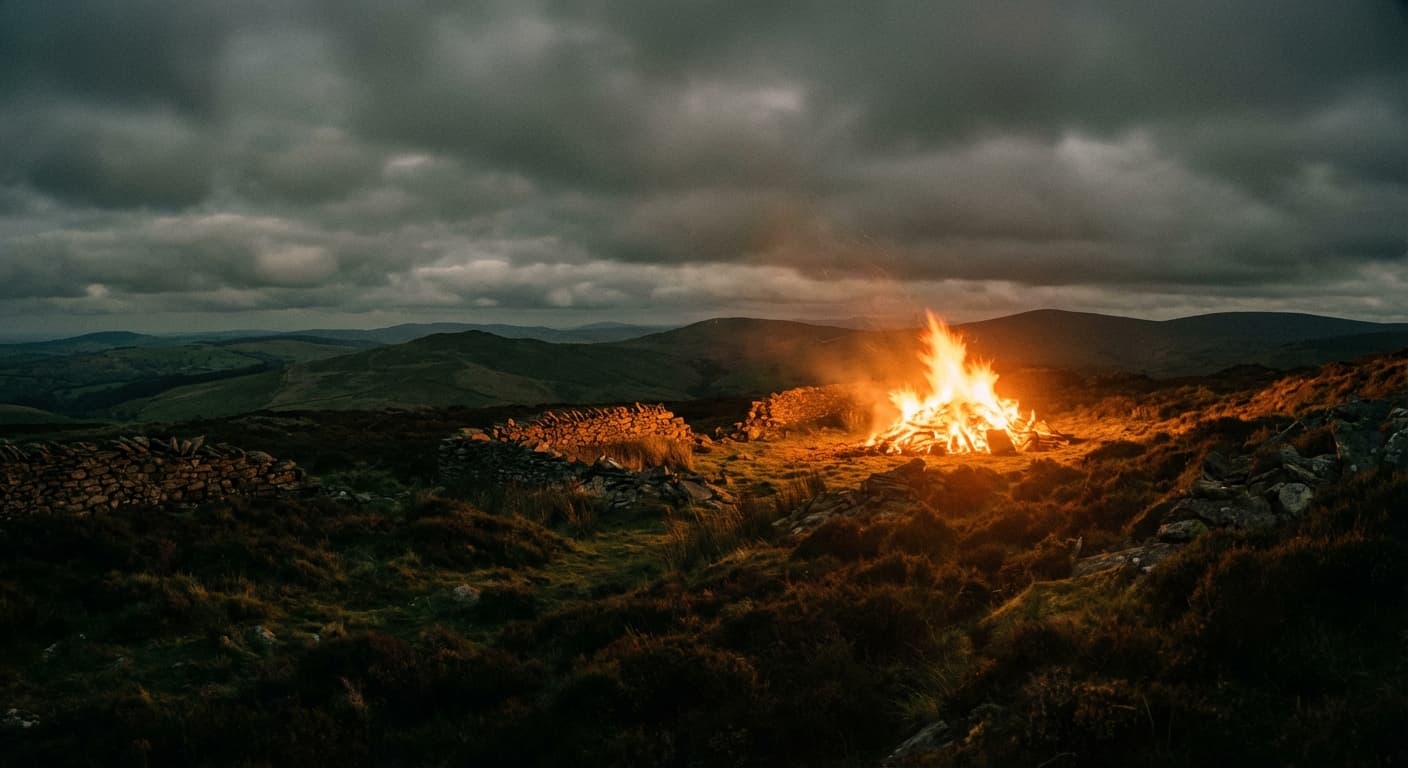
An 83-year-old druid cremates his son on a hilltop. Gets arrested. Wins.
Dr. William Price — eccentric, vegetarian, self-proclaimed druid — loses his infant son, named Iesu Grist (Jesus Christ)The Pontypridd ChronicleMarch 14, 1884DRUID BURNS INFANT ON HILLTOPEccentric physician arrested after neighbours witness flames on Caerlan hill. He builds a pyre on a hilltop and sets it ablaze. Neighbors see the flames. Police arrest him.
The court rules cremation is legal. Not because society accepts it. Because no law explicitly forbids it. The judge writes: “a person who burns instead of burying a dead body does not commit a criminal act.”⚖Queen's Bench DivisionCase No. R v. Price — 1884“A person who burns instead of burying a dead body does not commit a criminal act, provided that the burning does not amount to a public nuisance.”
One ruling. One eccentric old man. And the door that was locked for centuries cracks open.
The slow turn from hate to acceptance
A century of resistance, bans, and silence. Then, quietly, the world changed its mind.
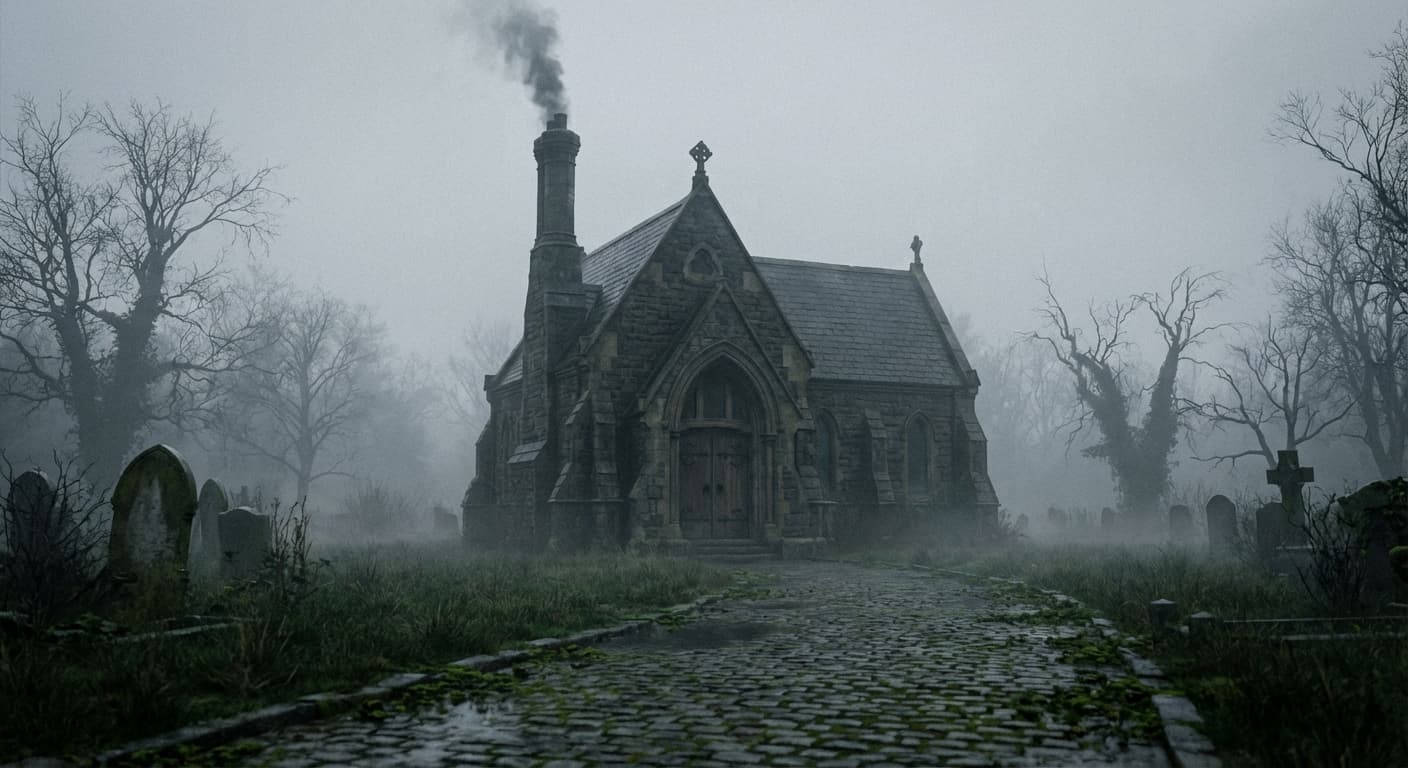
First official crematorium opens. Three cremations in year one.
Three. In a year.Woking Crematorium — Register of Cremations, 1885NameDateMrs. Jeannette C. Pickersgill26 March 1885Mr. Henry Crookenden4 June 1885Mrs. Elizabeth Oliphant17 October 1885 The building exists. The law permits it. The technology works. But nobody comes. Because the stigma is still crushing. Because your neighbor would talk. Because the priest would refuse to bless it.
The infrastructure was ready. Society wasn't.
The Catholic Church declares cremation a mortal sin
The Holy Office issues a decree✠CREMATIO PROHIBETURCremation is forbidden. Those who dare to request cremation shall be denied Christian burial and the sacraments of the Church.: cremation is forbidden for all Catholics. Those who choose it are denied a Christian funeral. The ban holds for 77 years — across two World Wars, the invention of flight, the splitting of the atom — the Church does not budge.
It takes the Second Vatican Council in 1963 to lift it. Seventy-seven years of telling hundreds of millions of people that a different way of honoring the dead was an act of sin.
It took 77 years for one institution to stop calling it a sin.
And the rest of the world?
Nearly every person. No debate left.
Quietly, almost universally.
Four out of five. The norm.
Three quarters. Growing every year.
The majority. And climbing.
What was once madness is now the default.
And then it became beautiful
The thing they called sacrilege became something people wear on their necks.
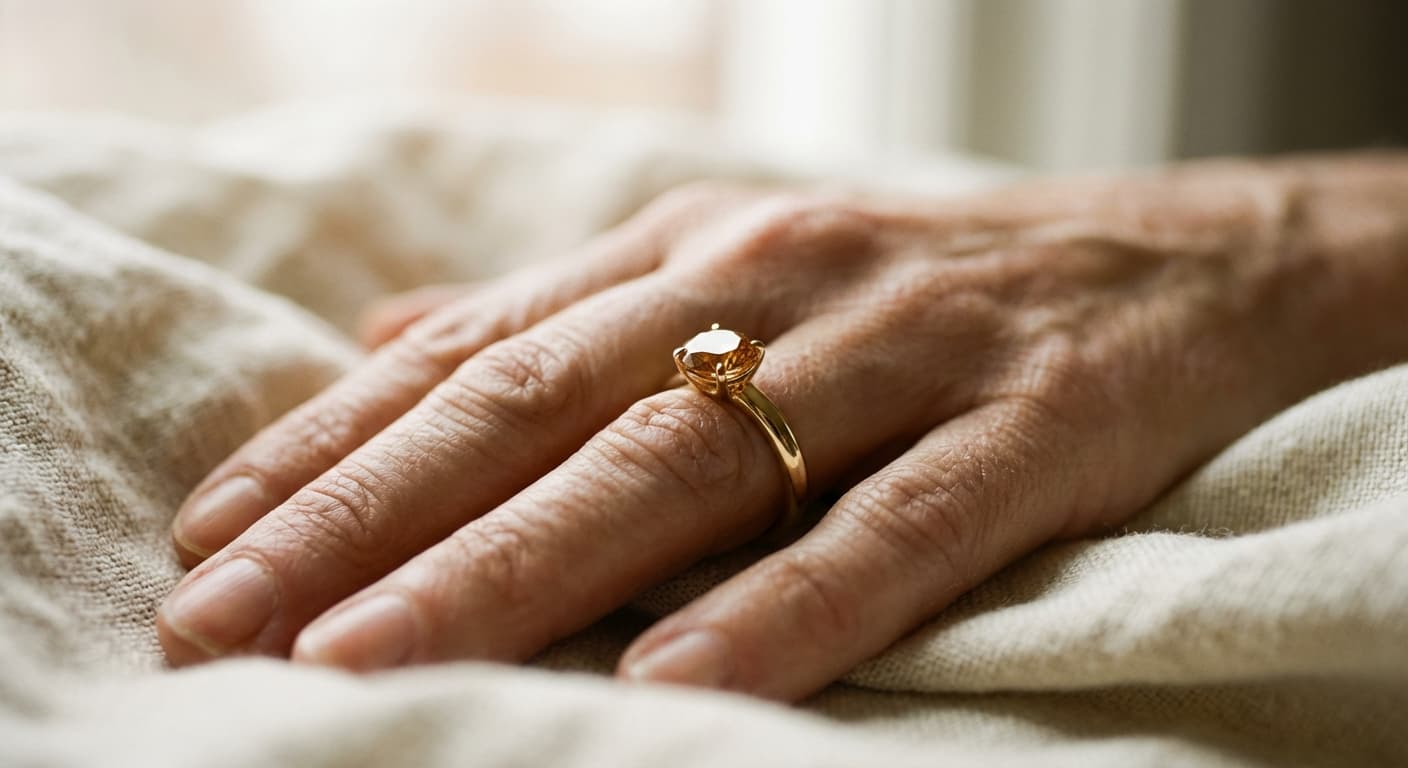
They turned ashes into diamonds. Real diamonds. Carbon extracted, pressurized, crystallized. Your grandmother, on your finger, catching the light. $3,000 to $50,000Memorial DiamondOriginHuman cremation ashesCarat0.25 — 2.0 ctColorYellow, Green, Blue, WhiteProcess6–9 months, 2500°FPrice$3,000 — $50,000. A growing industry.
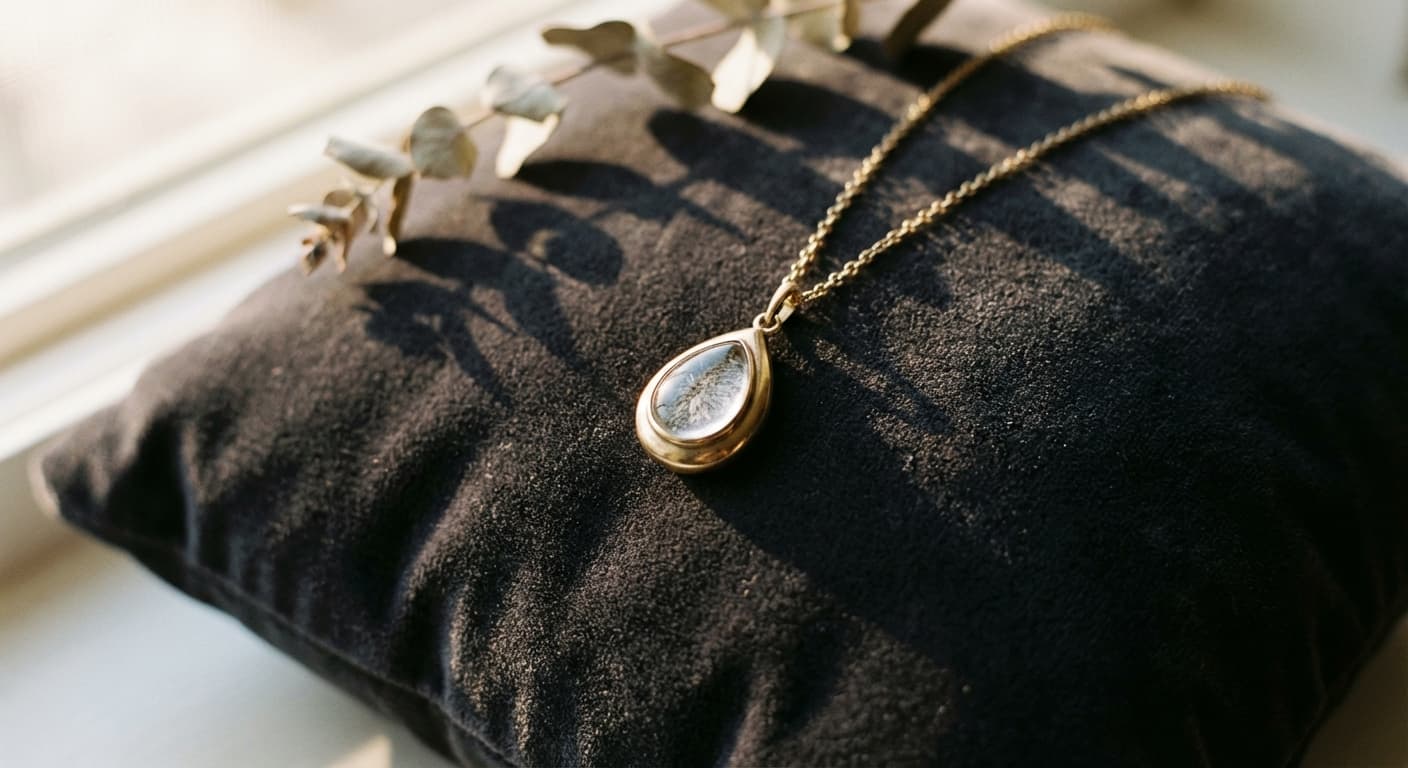
They made jewelry — pendants, rings, bracelets that hold a small amount of remains inside. Your person, on your neck. Everywhere you go. Millions sold every year.
They built reefs from ashes — concrete mixed with remains, dropped into the ocean. Your loved one becomes the foundation for new marine life. Literally building new life from death.
They loaded ashes into fireworks. One last celebration across the sky. People gather and cheer and cry.
They pressed ashes into vinyl records. Their favorite song, embedded with them. You put the needle down and they're in the room.
They launched ashes into orbit. Gene Roddenberry is up there. So is Clyde Tombaugh, the man who discovered Pluto. He's on his way past it now.
“It's unthinkable that people would want this.”
Wearing your mother's ashes around your neck. Turning remains into diamonds. Launching the dead into orbit.
All of it was unthinkable once. None of it is now.
Now read it again
Replace "cremation" with "digital legacy." Every sentence still works.
Digital legacy is where cremation was in 1873.
“Burning the dead is an offence against God and nature.”
They said it was disrespectful. That the body was sacred. That technology had no place in death. That real grief meant a coffin and a plot of land. That it was for pagans, not civilized people.
“Talking to an AI of a dead person is creepy and wrong.”
They say it's disrespectful. That memories are sacred. That technology has no place in grief. That real mourning means photos and headstones. That it's for tech freaks, not normal people.
Same words. Same fear. Same resistance. Different century.
The need doesn't go away because society isn't ready. People needed a better option in 1873. They need one now. The only thing that changes is how long it takes for everyone else to catch up.
Your grandchildren won't think it's weird that they can hear their great-grandmother's voice. They'll think it's weird that anyone ever thought it was weird. Just like we think it's weird that cremation was once illegal.
The ones who start first aren't crazy. They're just early.